Maximizing Functionality: Smart Design Tips for Small Spaces Dec 09, 2025
Start by prioritizing function over form. In small spaces, every piece of furniture and every element needs to serve a purpose. Think of dual-function furniture, such as a bed with built-in storage drawers or a coffee table that doubles as a desk. These multipurpose options are not only space savers but also help reduce clutter, making the space feel larger and more organized.
Next, consider the flow of the room. It’s essential to create a layout that promotes easy movement and accessibility throughout the space. Avoid blocking pathways with furniture, and instead, arrange pieces to guide you naturally through the room. This might mean positioning a sofa against the wall and placing chairs and tables in a way that complements the flow, rather than disrupts it.
Incorporate vertical storage solutions to maximize space without crowding the floor. Use tall bookshelves, corner shelves, or even wall-mounted cabinets to keep your belongings organized while clearing up floor space. Hanging items on the wall can also include more than just shelves—consider hooks for coats and hats, or racks for pots and pans in the kitchen.
When it comes to color schemes, lighter shades can make a space feel bigger and more open. Opt for whites, pastels, or other soft hues for the walls and larger furniture pieces. Not only do these colors make rooms appear brighter, but they also create a more cohesive feel throughout the area. If you're keen on adding some vibrant colors, consider using them in smaller accents such as pillows, artwork, or rugs.
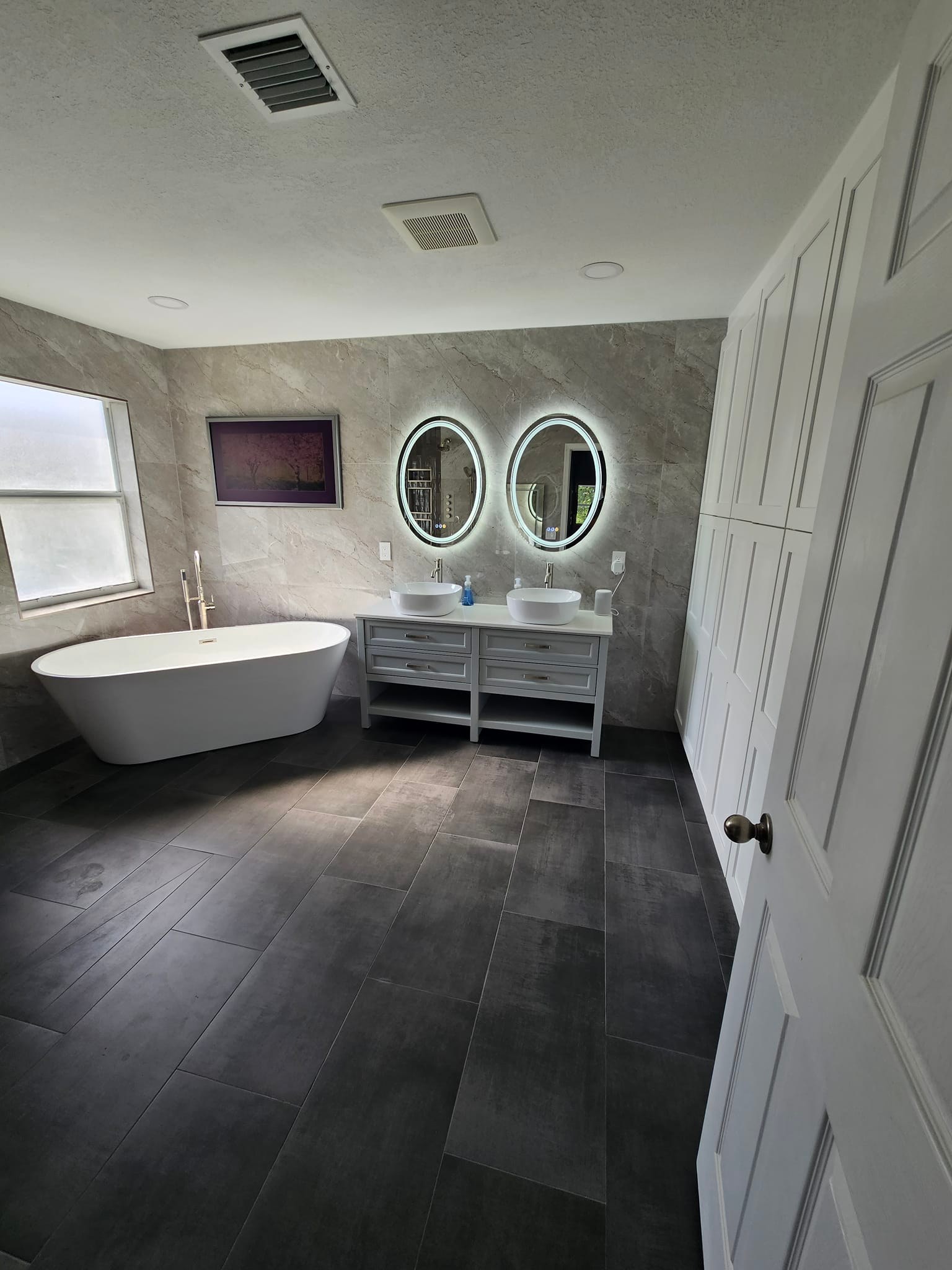
Mirrors are another excellent tool for enhancing the perception of space. Strategically placing mirrors across from windows or in dark corners can reflect light and give the illusion of greater depth and openness. This simple trick amplifies any natural light and can make your small room feel much more expansive.
Lighting is another critical element in designing small spaces. Maximize natural light where possible, using sheer curtains to let in sunlight. For artificial lighting, layer different light sources, such as ambient and task lighting, to create flexibility and adjustability depending on the time of day and the activity.
Finally, declutter regularly to maintain a spacious and organized look. In small spaces, it’s easy for clutter to accumulate and quickly make an area feel cramped. Regularly assess what you have and consider donating or storing items you don't frequently use. This not only keeps your space looking tidy but also ensures that every item you keep is essential and cherished.
By applying these smart design tips, you can transform even the smallest spaces into highly functional, aesthetically pleasing environments. At Call Me Handy, our team is dedicated to helping you create a home that reflects your lifestyle while maximizing every square foot. Embrace innovation, and watch as your compact spaces become your favorite places.
/filters:no_upscale()/filters:format(webp)/media/d0f18226-e420-4ef0-aeb9-c0751c9c9b9a.jpg)
/filters:no_upscale()/filters:format(webp)/media/78ae6f35-7dc1-4611-bfcf-9fa4c7a7a74b.jpg)